becoming vegan because factory farming is unethical is like deciding that since walmart and amazon mistreat their employees you are now going to get everything you need out of dumpsters
in a nutshell, instead of reforming the bad parts of your society, you
try to opt out of it in a way that has really no effect, and wouldn’t
work at all if the majority of people weren’t still part of the industry
you dislike.
there was, for a while, a real movement of people who tried to get everything out of dumpsters, as a way of opting out of capitalism. but the problem was that you couldn’t get what you need when you need it, leading to you being kind of a drain on your community, and someone had to buy that stuff in the first place for it to end up in that dumpster anyway. it was Fundamentally Silly.
going vegan to opt out of farming practices has similar problems. for instance: you (hypothetical vegan you) won’t buy honey, but the bees are being used to fertilize the vegetables and fruit you eat, they’re making the honey anyway, all you’ve done is – well, nothing, because you’re not a big enough demographic to make an impact, but even if you were, honey sales are a much smaller part of beekeepers’ income than crop pollination. and beekeeping is not a big faceless corporate interest. it’s not monsanto. it’s a bunch of single-family or partnership business with a truck or two and a couple hundred hives. the bees make honey after a pollinating run, and the beekeepers sell it for a little extra income. if you made a dent in that, you’d be achieving nothing but making joe beekeeper buy his kids’ t-shirts at k-mart instead of target.
animal farming and plant farming are deeply interconnected. plant farmers grow animal feed; animal farmers sell manure for fertilizer. most non-corporate farmers raise both plants and animals. it’s more economic and gives them more resilience.
if you were a big enough demographic to hit ‘the farming industry’ in its wallet. you would be making things MUCH harder for small farmers than for factory farms. you would be making it easier and easier for factory farms to crowd family farmers out of business. so that’s pretty much achieving the opposite of what you want, right there.
and then there’s the fact that plant farming is just as rife with gruesome factory farm conditions as animal farming, but it’s humans who are exploited in those. i’m not going to level accusations of racism here, but it really is unfortunate how little the vocal internet vegan contingent seems to know or care about the exploitation of the mostly nonwhite workers in the industry. it makes y’all look racist, whether you are or not.
look, i keep saying this, even though folks never seem to hear me: i don’t hate vegans, i’m not trying to stop you being vegan, i do not care what you eat.
my problem is with defensive internet vegans trying to promote their dietary restriction lifestyle as a solution to problems in the real world. it is not. it may create more problems than it solves, or maybe it breaks even, i don’t know. it certainly doesn’t solve anything that can’t be solved just as well without it. it can only look reasonable from a perspective of deep ignorance about where food comes from and how the farm economy works. you basically have to be young, urban, and somewhat privileged to embrace it. and it is, fundamentally, very silly.
This is from the forecast discussion of Major Hurricane Florence from this afternoon. As a meteorologist, when I saw this, my heart sank. They don’t use wording like this for every storm.
Florence is going to be a devastating. There will be huge amounts of flooding, both from inland rain and from costal storm surge. Winds are going to be some of the strongest you can get from a hurricane. People within the path of this storm could lose everything.
If you know anyone who lives on the North or South Carolina coast, tell them that if there’s an evacuation ordered, they need to get the hell out. Do not take chances with this one.
Reblogging again to add a list of things/essentials from a friend who lives on the NC coast and has weathered hurricanes and other bad weather:
– toiletries (paper towels, toilet paper, baby wipes for “bathing” in case power & water go out)
– water, 1 gallon per person for at least 7 days (err on the side of caution if possible); more if you have animals!!
– non perishable food items, if you get canned food make sure you have a can OPENER
– pet food & supplies, if you’re really worried about flooding it may be beneficial to get life vests for your pets, also find a way to put identification information on them!
– batteries
– flashlights
– battery packs for cell phones charged up in case of loss of power
– filled cars with gas & filled gas can(s)
– get all essentials like passports, important docs, and cherished items together & ready to go
– just in case, determine a way to get onto your roof safely
– fill bathtubs with water so if water isn’t available you can refill the toilets to keep flushing and keep waste to a minimum
– if you have dogs look up how to make a makeshift potty, you can use a hard baby pool and some sod potentially
– check your prescriptions and get them refilled now if necessary
– if you’re taking insulin and lose power, fill a separate cooler for your insulin than the one you would use for food. Insulin > food
If your place begins to flood get the hell OUT of the water!!! There is no telling if you have a live electrical charge in there!
Do not cross any water you cannot see the bottom of the ground in. I’m serious.
You guys have *got* to stop reblogging reposts. This is what makes artists not want to share their work anymore. Don’t repost, don’t share reposts.
I know sometimes it happens on accident so some tips/suggestions:
1. Look for watermarks – see if it matches the blog name. If not, investigate further – 9/10 it’s a repost.
2. Look closer at art posts without captions, if you don’t know the OP. Not all artists use captions and not all reposters don’t, but there is some correlation between captions and genuine artists and lack of captions and reposters.
3. Similarly, look closer at art where the quality seems oddly low.
4. Foster an environment where it is cool for ppl to let u know [politely of course] that you have reblogged a repost so you can delete it when/if it happens.
If there’s no caption look at the OP. You’ll either notice a consistent art style on the blog, or artists generally tag their art with something that indicates it’s their work.
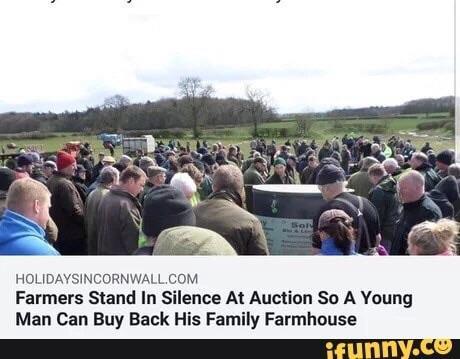
This reminds me of the “penny auctions” of the Great Depression.
I’m reblogging this again, because I forgot to mention;
My family has lived in Iowa for, oh, a hundred and twenty years? Maybe a hundred and thirty.
My grandpa and grandma and great grandpa and grandma were part of the penny auctions and bullying bankers and mortgage holders into behaving.
Grandpa was 6′ 3″. Great grandpa was an inch shorter. Both were big old farm boys, who could heft an eighty pound hay bale in each hand and toss them up on the hay wagon.
Grandma told me a few times about how they went around with some of their buddies to ‘explain things’ to mortgage holders during the Depression, and how the farmers would all get together for coffee and settle among everyone in the township how no one was going to bid on the Miller auction but the Millers, and oh, if everyone could chip in fifty cents or so to loan the Millers to buy their land and equipment back at the auction, that’d be the Right Thing To Do.
This is still a point of pride for many farming families around here, decades later.
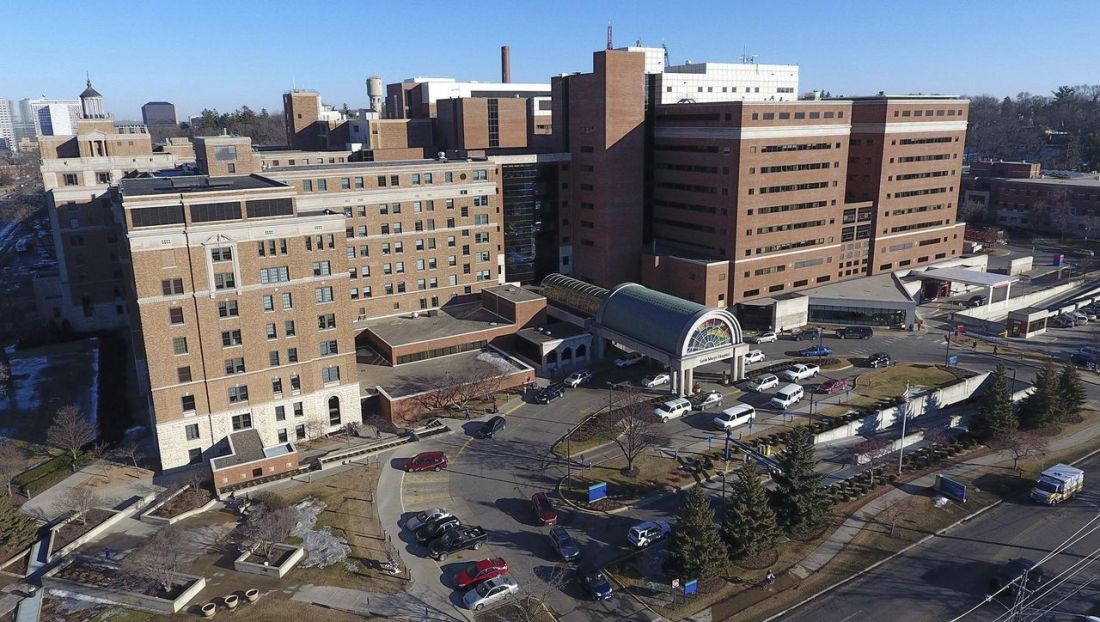
Seven hospitals and three philanthropic foundations announced Thursday the launch of the first nonprofit pharmaceutical company, which will produce generic versions of more than a dozen life-saving medications with the aim of stabilizing drug shortages and cutting health care costs.
The company, Civica RX, will produce 14 generic drugs at prices 20 to 90 percent lower than currently on the market, said Dan Liljenquist, board chairman of the company.
“We’re interested in markets that are broken, where supply is unpredictable and where the prices are also, equally unpredictable,” he told The Washington Times.
The company didn’t name the 14 drugs it will manufacture, but Dr. Marc Harrison, president and CEO of Intermountain Healthcare, said the company will focus on “practical” drugs.
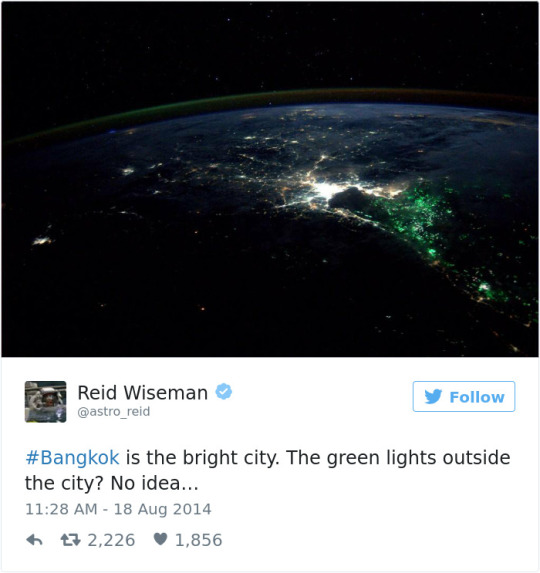
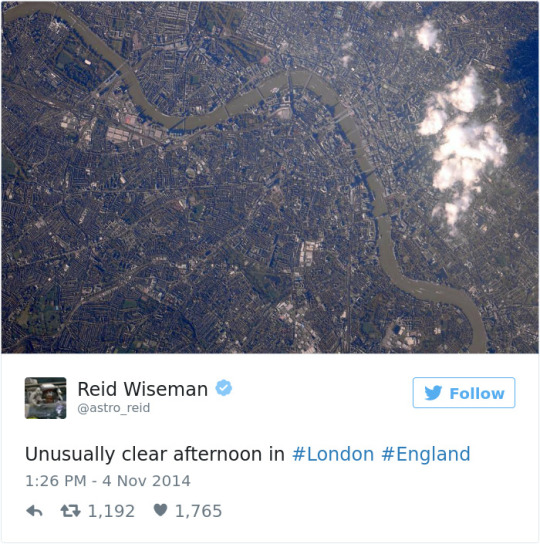
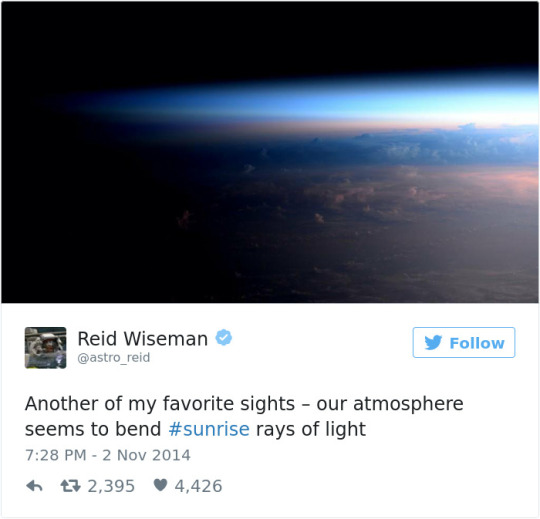
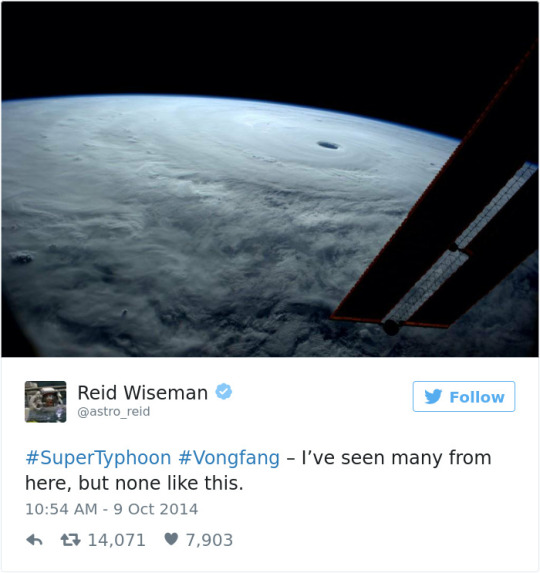
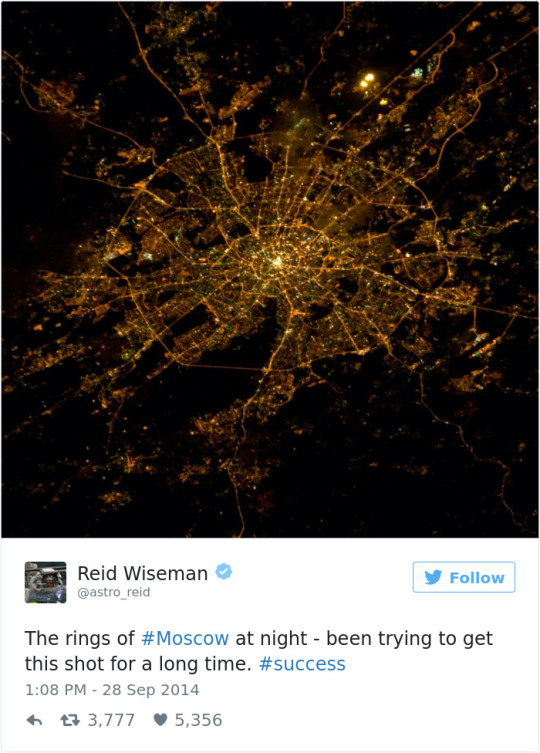
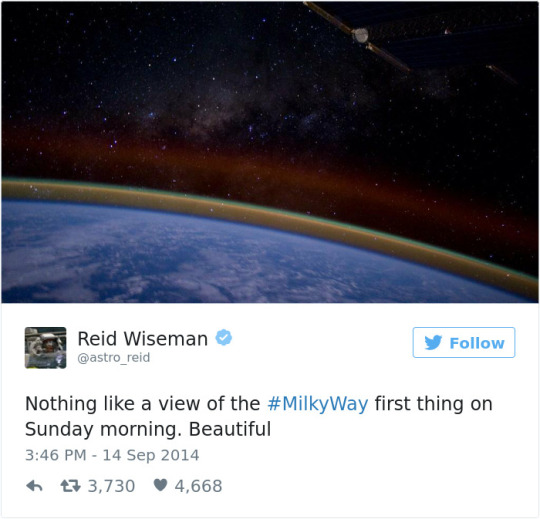
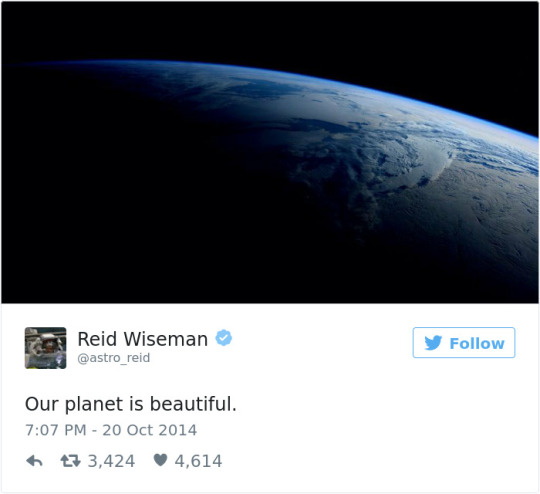
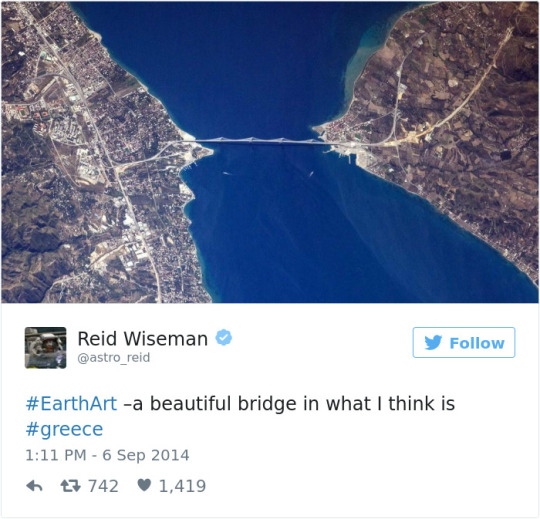
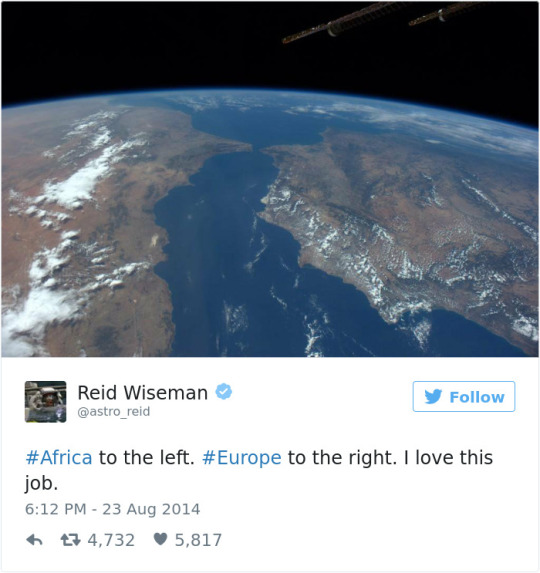
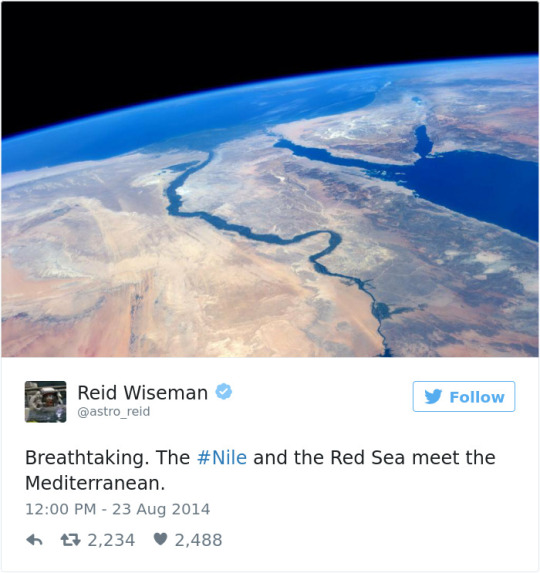
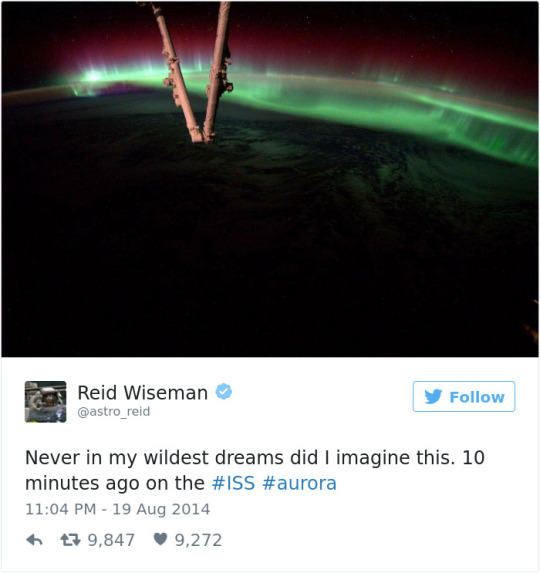
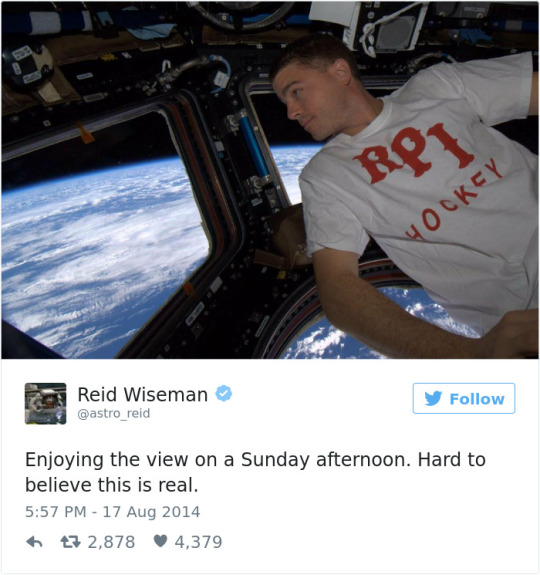






 ugh
ugh 