I feel like no one talks about how much of the American emo/scene subculture existed as a reaction to the trauma of 9/11 and the Bush administration’s response to it
Tag: politics
key takeaways from today
– this wasn’t a “gaff” or “bad PR”. this was open bigotry and a deliberate attempt (yet again) at erasing jewish people from the holocaust, and you need to recognize it as such
– this administration consistently and deliberately downplays and avoids acknowledging jewish suffering during the holocaust. that’s not accidental, that’s part of a concerted movement to marginalize and erase jews
– the trump brand is always about using incompetence as a smokescreen for bigotry and malice. yeah, sean spicer’s an idiot, but don’t let that be as much attention as you pay here
– “good” non-jewish people need to be vocal in confronting this. it’s not enough to tell your jewish friends you have their back and post memes about how stupid spicer is. you need to aggressively confront anti-semitism in your own circles, or else stop asking us to trust you
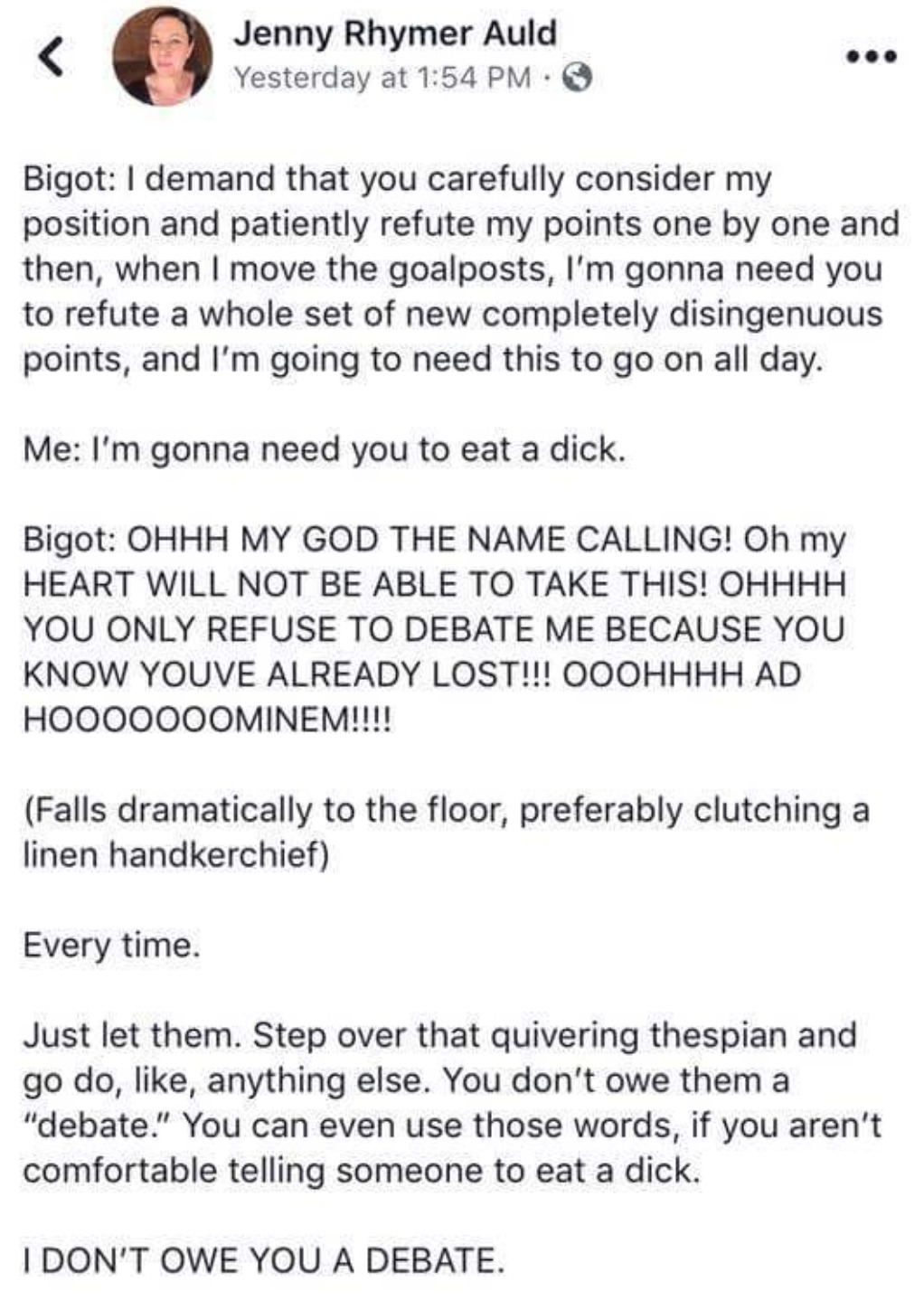
– finally, don’t let me catch you defending your shitty friends who promote anti-semitism or stand for this administration. if your shitty liberal devotion to “open debate” means shutting down jews so antisemites can have the floor, you and I are finished forever
gentiles can reblog this
Why is Fight for $15 so problematic? Why can’t they just increase minimum wage if the cost of living is steadily increasing.
They don’t want to increase min wage because we live in a capitalist society where big business is legally allowed to put their profit above all other considerations.
Like whether or not their employees can afford to eat every day…
Or, you know… pay rent…
Big corporations wouldn’t notice the money difference, but unfortunately a raise in minimum wage could cause independant retailers to go bust.
my neighbour and her friend have a small clothes boutique in my town and hire 1 other person alongside them working in the shop. a raise in minimum wage would force them to raise prices to stay afloat, but big corporations can easily sell them same at cheaper, which would lose them customers and their income. they potentially might have to drop their employee and work longer hours for cheaper themselves.
Big corporations are the main type of business opposed to raising the minimum wage. And although their top ppl are exorbitantly compensated they would notice a drop in the money they can personally take home. Their greed makes them not support $15/hour.
I am a small business owner myself. I hire people on a part-time basis. I pay up to $25/hour because that’s what’s fair in my line of work. I could pay way less but I believe that people should be fairly compensated for their work and I believe that I increase my worker’s loyalty and the quality of their work when I fairly compensate them.
If you’re a small business owner and you can’t afford to properly pay your workers then you shouldn’t have any. Period.
I am unamused by sob stories about not being able to pay people a fair wage but still deciding to coerce somebody into working for a pittance anyway. A business such as the one you’re describing isn’t ready for employees. They should be handling the work themselves until they get their profits up.
But really, small businesses pay on average higher wages to their people than big business so in the grander scheme of things your story is an anomaly and not truly representative of the source of wage inequality.
http://www.businessnewsdaily.com/7284-small-business-minimum-wage.html
^^^^
Businesses that don’t pay a living wage and don’t offer health insurance are receiving government subsidies in the form of their employees’ food stamps, Medicaid/cal, and other assistance.
This exactly! If you can’t afford to pay your employees fairly, then your business isn’t strong enough to support employees.
My mom started her own company out of her bedroom after my dad left when I was a teenager, and she now has 11 employees. All of whom she pays well above the living wage (about $30 an hour – depending on a couple of factors), and for whom she pays full benefits. She’s happy to do so, even if it cuts into her profits. But you can bet that she didn’t take on employees before her business was strong enough to support hiring them.
tl;lr if the only way your business can survive is by exploiting your employees you have a shitty business model. It’s not an inherent problem with small companies.

one more vote for Bernie!
Here are the 18 senators, all Republicans, who voted against the final deal to end the shutdown and avert a debt default.
Republican Sens. Tom Coburn (Okla.), John Cornyn (Texas), Mike Crapo (Idaho), Ted Cruz (Texas), Mike Enzi (Wyo.), Chuck Grassley (Iowa), Dean Heller (Nev.), Ron Johnson (Wis.), Mike Lee (Utah), Rand Paul (Ky.), Pat Roberts (Kansas), Jim Risch (Idaho), Marco Rubio (Fla.), Tim Scott (S.C.), Jeff Sessions (Ala.), Richard Shelby (Ala.), Pat Toomey (Pa.), David Vitter (La.).
— Jennifer Bendery
Senate Republicans Who Voted Against The Deal (via thepoliticalfreakshow)
I will reblog this everyday until midterm elections come around, if that’s what it takes, so help me god.
(via note-a-bear)
 ugh
ugh 